There’s something timeless about gathering around a warm fire on a cool Texas evening. The crackle of the flames, the glow against the night sky, and the cozy atmosphere make a fire pit one of the most desirable outdoor features for homeowners across Fort Bend County — from Richmond to Sugar Land and beyond.
If you’ve decided to add a fire pit to your backyard, one of the first (and most important) decisions you’ll face is choosing between a gas or wood-burning fire pit. Each type offers its own advantages, style, and experience.
At Frontline Construction, we’ve designed and built custom fire pits for homeowners across Fort Bend County, and we know there’s no one-size-fits-all solution. This guide will walk you through the pros, cons, costs, and design considerations for both gas and wood-burning fire pits — helping you decide which one fits your lifestyle, budget, and outdoor space.
1. The Appeal of a Backyard Fire Pit
Before diving into the details, let’s take a moment to appreciate why fire pits have become such a must-have outdoor feature in Texas.
A fire pit is more than just a heat source — it’s a gathering spot. It transforms your patio or backyard into a cozy social space perfect for roasting marshmallows, entertaining guests, or simply relaxing after a long day.
Whether you want a modern gas fire bowl or a classic stone fire ring, a custom-built fire pit adds:
-
Ambiance and warmth year-round
-
Increased home value and curb appeal
-
Extended outdoor living during cooler months
-
Aesthetic variety, with endless design options to match your landscape
Now, let’s explore the two main fire pit options homeowners in Fort Bend County typically choose from: gas and wood-burning.
2. Gas Fire Pits: Convenience Meets Modern Design
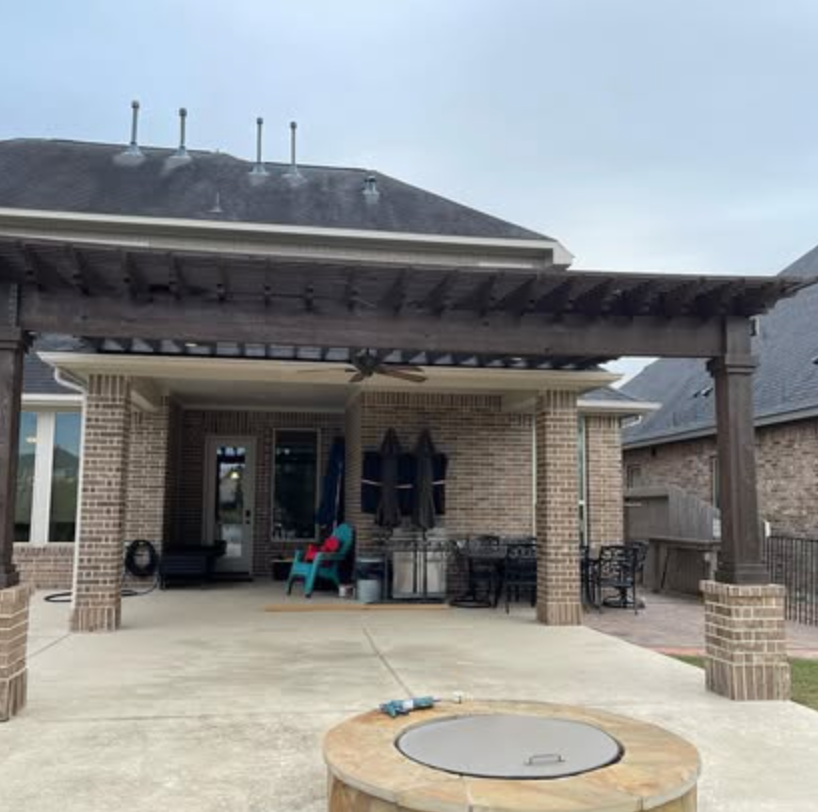
Gas fire pits are powered by either natural gas or propane, offering instant ignition with the push of a button or turn of a knob. They’re sleek, clean, and ideal for homeowners who value convenience and low maintenance.
Pros of Gas Fire Pits
🔥 Instant, Controlled Flames
One of the biggest advantages of gas fire pits is ease of use. There’s no need to gather firewood or deal with ashes afterward. Simply turn on the gas, light it (or use an electronic ignition), and enjoy a steady, adjustable flame.
💨 No Smoke or Ash
Because gas burns cleanly, you’ll avoid the smoke, embers, and lingering smell that come with wood fires. This makes gas fire pits ideal for families with allergies or homes close to neighbors.
🧱 Design Flexibility
Gas systems allow for modern, elegant designs — including fire tables, linear fire features, and custom stone or paver enclosures. You can even integrate them into an outdoor kitchen or patio structure for a seamless look.
🧼 Low Maintenance
There’s no ash to clean, no wood to store, and no soot buildup to worry about. Simply check your gas connections periodically, and your fire pit stays ready to use year-round.
🌿 Eco-Friendly Option
Natural gas and propane produce fewer emissions compared to burning wood, making gas fire pits a more environmentally friendly choice.
Cons of Gas Fire Pits
While gas fire pits are incredibly convenient, they do have a few downsides to consider.
💰 Higher Upfront Cost
Installing a gas fire pit — especially one connected to your home’s natural gas line — can require a higher initial investment due to gas line installation and safety regulations.
🔧 Professional Installation Required
Gas systems must be installed by licensed professionals (like our team at Frontline Construction) to ensure proper gas flow, ventilation, and compliance with local codes.
🔥 Less Authentic Flame Experience
Although gas flames look beautiful, they lack the crackling sound and wood aroma that many people associate with a “true” campfire feel.
Ideal for:
-
Homeowners who value convenience and cleanliness
-
Modern patio or poolside designs
-
Families who prefer smoke-free evenings
-
Those willing to invest more upfront for long-term ease
3. Wood-Burning Fire Pits: Rustic Charm and Classic Warmth
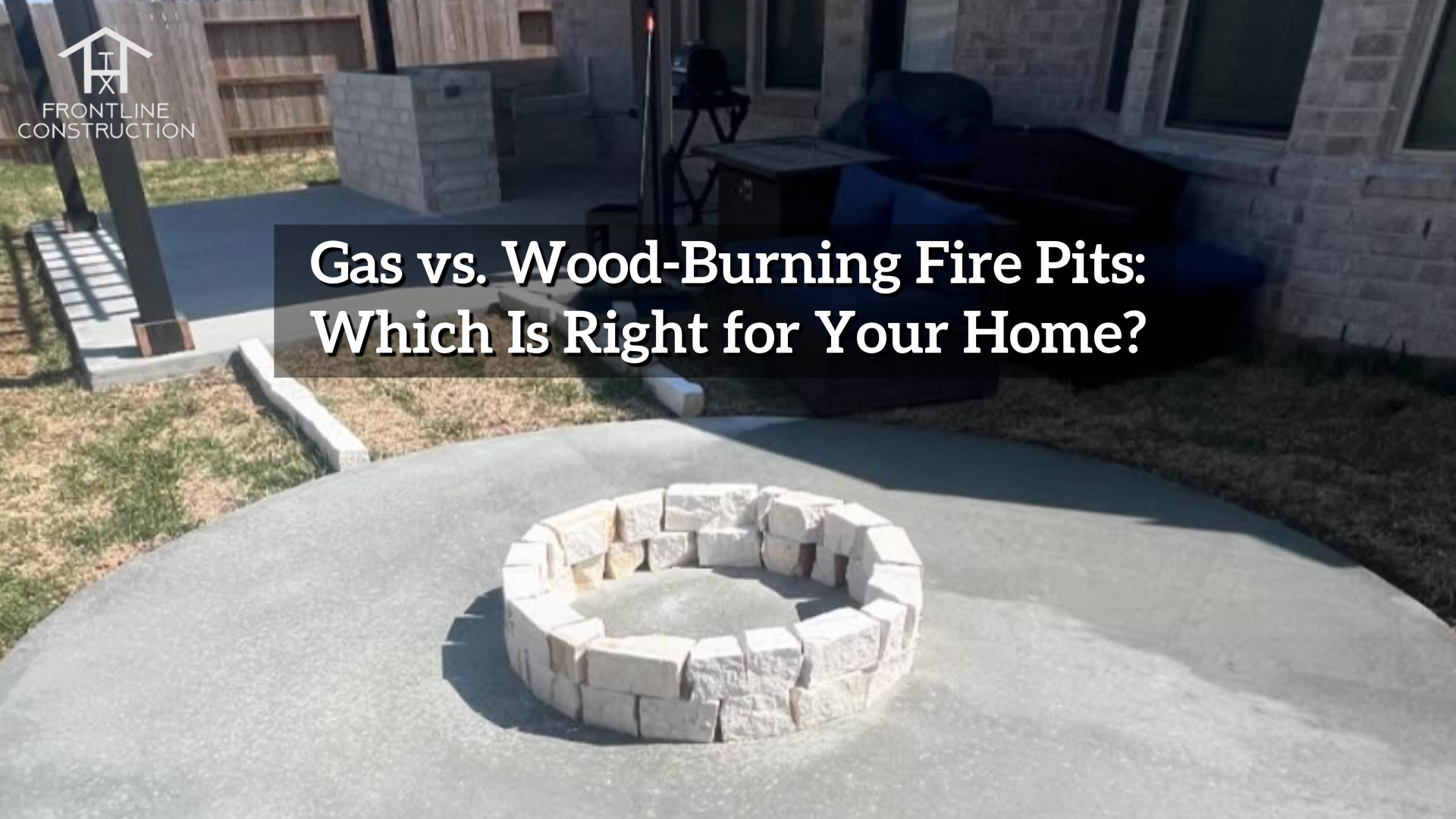
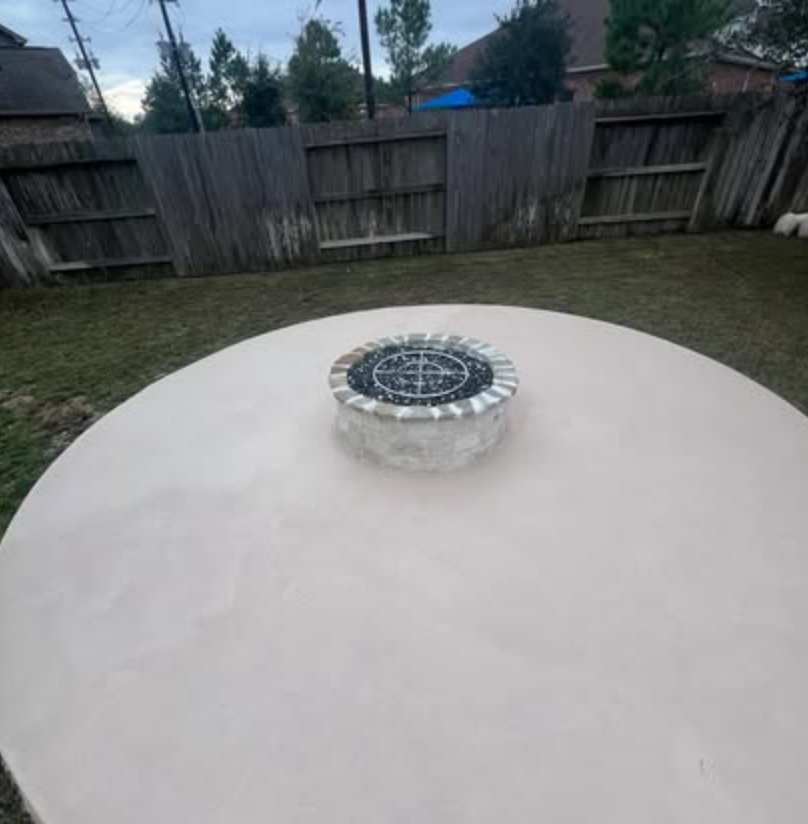
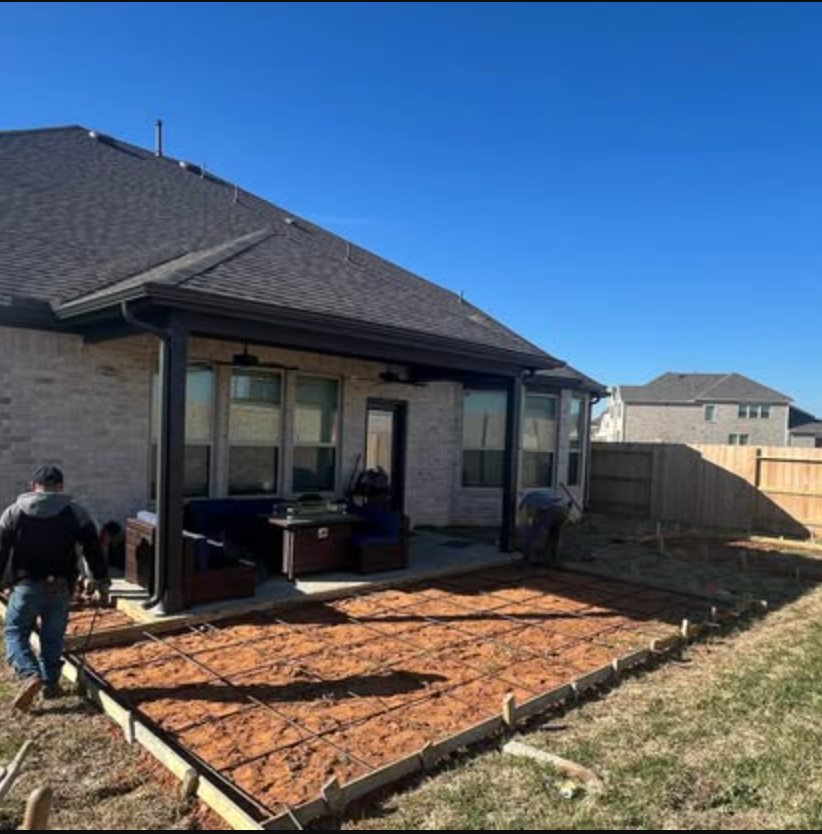
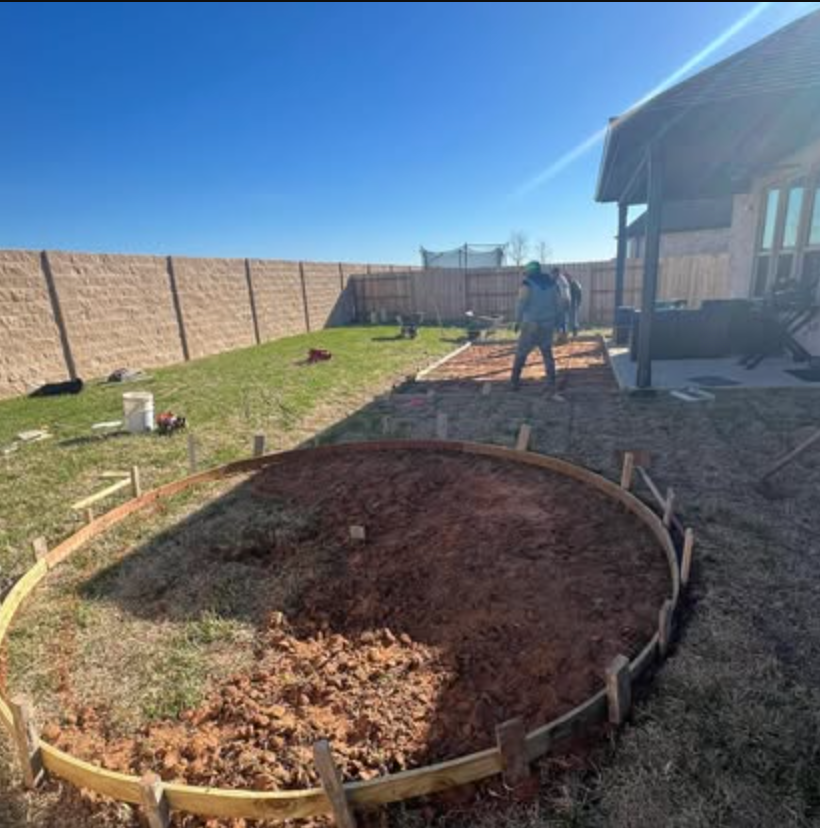
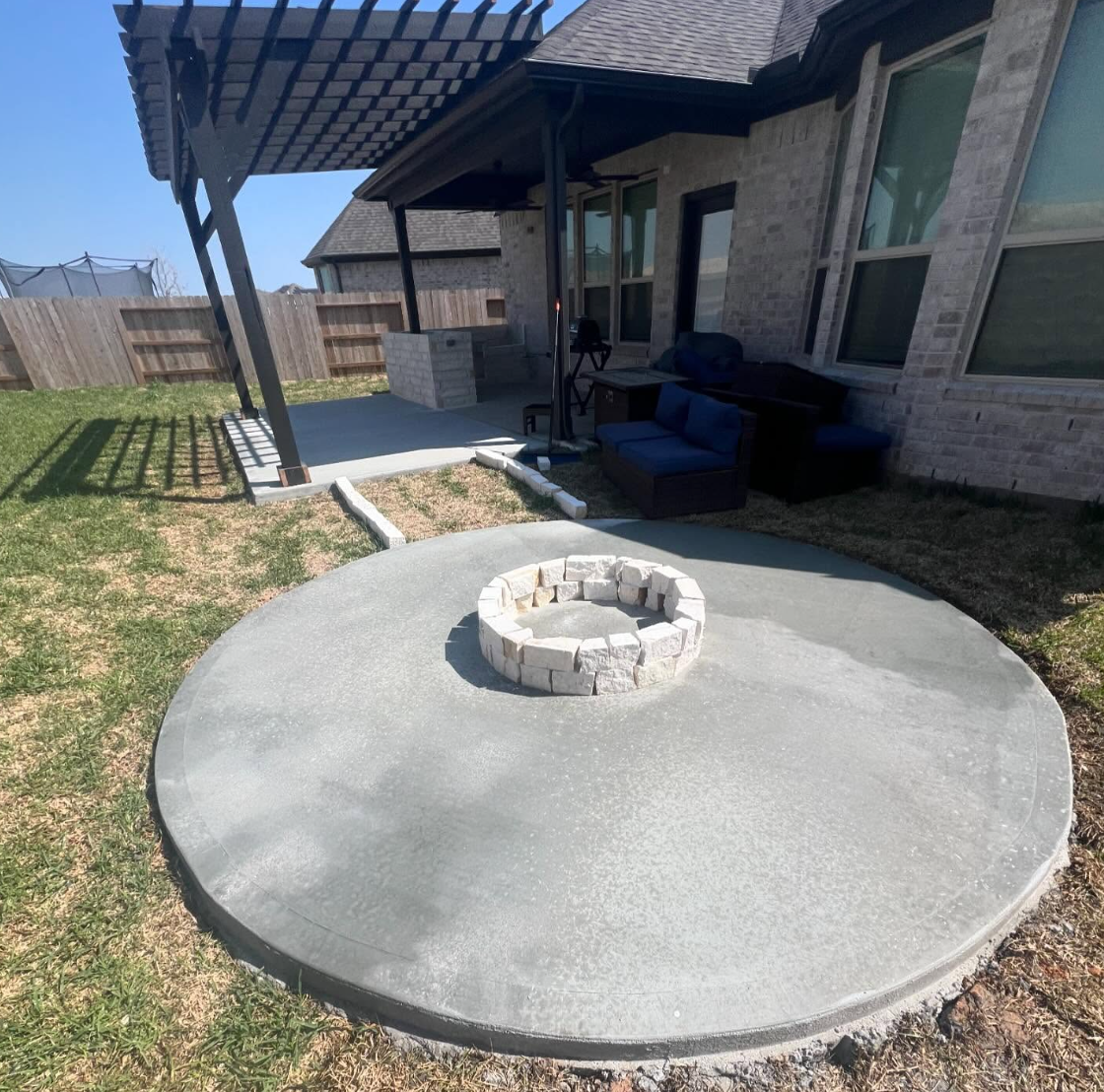
If you love the traditional sound of popping logs, the smell of burning wood, and the hands-on experience of tending a fire, a wood-burning fire pit might be your perfect fit.
Wood fire pits create a cozy, rustic atmosphere that’s hard to replicate — especially for homeowners who enjoy camping or outdoor entertaining.
Pros of Wood-Burning Fire Pits
🔥 Authentic Fire Experience
A wood fire provides natural sound, aroma, and warmth that can’t be duplicated by gas. It’s a sensory experience — from stacking the logs to watching the sparks rise into the night.
💸 Lower Initial Cost
Wood-burning fire pits are generally less expensive to install, as they don’t require gas lines, fuel connections, or ignition systems.
🧱 Versatile Design Options
From simple stone rings to elaborate brick structures, wood-burning fire pits offer endless customization. You can build them as permanent fixtures or portable pits that can be moved around your yard.
🌲 High Heat Output
Wood fires burn hotter than gas flames, making them perfect for chilly nights or for homeowners who want to cook over open flames.
Cons of Wood-Burning Fire Pits
While wood fires deliver unbeatable ambiance, they also require a bit more effort.
🌫️ Smoke and Ash
Wood-burning fire pits produce smoke, soot, and ash, which can be messy and bothersome for nearby neighbors — especially on windy days.
🔥 More Maintenance
You’ll need to regularly clean out ashes, remove debris, and keep your pit in good condition to prevent buildup or corrosion.
🌳 Wood Storage
You’ll also need space to store dry firewood, which can attract pests or moisture if not handled properly.
⚖️ Local Regulations
Some HOAs or city ordinances in Fort Bend County may have restrictions on open wood fires, especially during dry or windy conditions. It’s important to check local fire codes before installation.
Ideal for:
-
Homeowners who want a classic, campfire-style experience
-
Large backyards with space for wood storage
-
Budget-conscious projects
-
Those who enjoy the ritual of building a fire
4. Comparing Gas and Wood Fire Pits Side-by-Side
Here’s a quick breakdown of how the two stack up:
| Feature | Gas Fire Pit | Wood-Burning Fire Pit |
|---|---|---|
| Ease of Use | Instant ignition; very easy | Requires manual setup & cleanup |
| Maintenance | Minimal | Regular ash removal & cleaning |
| Initial Cost | Higher (due to gas line installation) | Lower |
| Operating Cost | Depends on fuel prices | Inexpensive (firewood) |
| Design Options | Sleek, modern, customizable | Rustic, traditional, flexible |
| Heat Output | Moderate | Higher |
| Smoke/Ash | None | Present |
| Environmental Impact | Cleaner burning | Produces more emissions |
| Authenticity | Controlled flame | Natural sound & smell |
| Installation | Professional required | DIY or professional |
5. Cost Breakdown: What to Expect in Fort Bend County
While exact prices depend on size, materials, and features, here’s a general range based on local projects:
Gas Fire Pits
-
Basic propane unit: $1,500 – $3,000
-
Built-in natural gas fire pit: $3,000 – $7,500+ (includes gas line installation)
-
Luxury custom feature (stone, seating, lighting): $8,000 – $15,000
Wood-Burning Fire Pits
-
DIY kit or portable model: $300 – $800
-
Custom stone or brick fire pit: $1,500 – $4,000
-
Integrated outdoor living design: $5,000 – $8,000
Remember: a fire pit isn’t just an addition — it’s an investment in your outdoor living space. Professionally built fire features can increase your home’s value and enhance year-round enjoyment.
6. Safety and Maintenance Tips
No matter which type you choose, safety and maintenance are key to enjoying your fire pit for years to come.
For Gas Fire Pits:
-
Have gas lines installed and inspected by professionals.
-
Check for leaks or wear on connections annually.
-
Cover the fire pit when not in use to protect burners.
For Wood-Burning Fire Pits:
-
Place the pit at least 10–20 feet from any structure or overhanging tree.
-
Use a spark screen to prevent embers from escaping.
-
Clean out ashes after each use.
-
Store firewood in a dry, covered area.
7. Making the Right Choice for Your Home
So, which is best for you — gas or wood?
It comes down to how you plan to use your outdoor space:
-
Choose gas if you want quick, clean, and maintenance-free fires for entertaining.
-
Choose wood if you love the authentic campfire feel and don’t mind a bit of upkeep.
Both options can be customized to match your patio, landscape, and home design — from natural stone seating walls to decorative paver surrounds.
At Frontline Construction, we specialize in creating custom outdoor fire features that fit your lifestyle. Whether you envision a sleek gas fire table by the pool or a rustic stone pit for family gatherings, we’ll design and build it to perfection.
8. Ready to Warm Up Your Backyard?
A beautiful, custom fire pit can completely transform your outdoor living experience — giving you a cozy, welcoming space to enjoy year-round.
If you’re ready to explore your options, Frontline Construction can help you design and build the perfect gas or wood-burning fire pit for your Fort Bend County home.
We proudly serve Richmond, Sugar Land, Rosenberg, Katy, Stafford, and Missouri City, offering professional outdoor construction services tailored to Texas lifestyles.